WHAT WE TREAT
Post-traumatic stress disorder (PTSD) is a deeply challenging and complex mental health condition. At Paracelsus Recovery, our treatment programmes use the latest psychotherapeutic and medical practices to help heal your whole person: mind, body and soul.
Specialising in PTSD, we recognise the unique challenges faced by those suffering from chronic and complex PTSD. Our 360° approach, combined with in-depth diagnostics and personalised care, ensures that you receive the targeted support you need for lasting healing and recovery.

Post-traumatic stress disorder (PTSD) is a mental health condition triggered by a highly distressing and traumatic experience. It is a reaction to psychological trauma which develops in response to actual or threatened extreme danger, overwhelming the nervous system and leaving a person unable to process what they went through.
Traumatic stress can be triggered by a single event such as a car accident, sexual and physical assault, or a near-death experience, as well as by numerous persistently frightening experiences such as domestic abuse. It can also arise in response to becoming famous overnight and suddenly having to navigate frenzies of paparazzi and stalkers could trigger symptoms of PTSD. Traumatic stress should ease over time as the mind and body process what happened but if the event was too traumatic to process and symptoms do not lessen, then PTSD can occur.
There are three types of PTSD: uncomplicated PTSD, comorbid PTSD, and complex PTSD. Uncomplicated PTSD is the most commonly diagnosed type and is characterised by persistent re-experiencing of the traumatic event, avoidance of any stimuli related to the event and emotional difficulties. Comorbid PTSD is diagnosed when someone is suffering from both uncomplicated PTSD and another mental health condition. Complex PTSD occurs when an individual has been exposed to prolonged traumatic events such as ongoing sexual abuse in childhood.
PTSD is a very common cause of substance abuse with the ‘substance’ often used as a coping mechanism due to the psychological pain PTSD can cause. It is also common for the same trauma to trigger both PTSD and substance abuse issues.
Post-traumatic stress disorder is a highly challenging and complex mental health condition, which can severely impact a person’s relationships, state of mind, physical health and general quality of life. Symptoms of PTSD are usually categorised into three groups:
- Re-experiencing symptoms or reliving the traumatic event.
- Avoidance of events that trigger memories of the trauma.
- Anxiety.
Re-experiencing symptoms or reliving the traumatic event:
- Intrusive, upsetting thoughts and memories.
- Flashbacks or reliving the event.
- Nightmares of the traumatic event or other frightening things.
- Intense distress brought about by reminders of the traumatic event.
- Strong physical reactions to reminders of the trauma such as nausea, rapid heartbeat, shortness of breath, muscle tension or sweating.
Avoidance of events that trigger memories of the trauma:
- Avoidance of places, activities, feelings or thoughts that remind you of the traumatic event, such as large crowds or frightening movies.
- Forgetting certain aspects of the traumatic event.
- Loss of enjoyment in certain activities and loss of interest in life in general.
- Feelings of emotional numbness or detachment.
- A feeling that the future is hopeless or that life may be short.
Anxiety:
- Difficulty falling asleep or staying asleep.
- Feelings of anger, resentment or hostility.
- Lack of attention or concentration.
- Feelings of being constantly aware and on alert (hyper-vigilance).
- Feeling jumpy or jittery.
Bespoke treatment
How we treat PTSD
We can’t tell you exactly what your four-week stay will involve because each patient’s journey with PTSD is unique. At Paracelsus Recovery, we create a bespoke treatment plan for every individual, with no pre-defined path. Your time with us will be structured each day, integrating a range of carefully selected therapies designed specifically to help address the complexities of PTSD.
These therapies are thoughtfully coordinated to complement one another, ensuring that every aspect of your physical, emotional, and psychological health is addressed. See below for more details.
Our approach considers the whole person: mind, body and soul
PTSD impacts every area of our health, from physical well-being and cellular stress to our psychological sense of safety and emotional sense of stability. That is why treatment for PTSD must be both holistic and all-encompassing.
At Paracelsus Recovery, our treatment for PTSD is centred on three pillars: intensive psychotherapy, mind/body-oriented therapies, and biochemical restoration.
At the heart of our approach is an extensive assessment procedure, which enables us to design a unique treatment plan that can effectively help you process the traumatic event(s), create coping strategies for managing its impact on your life, and reduce your symptom severity.
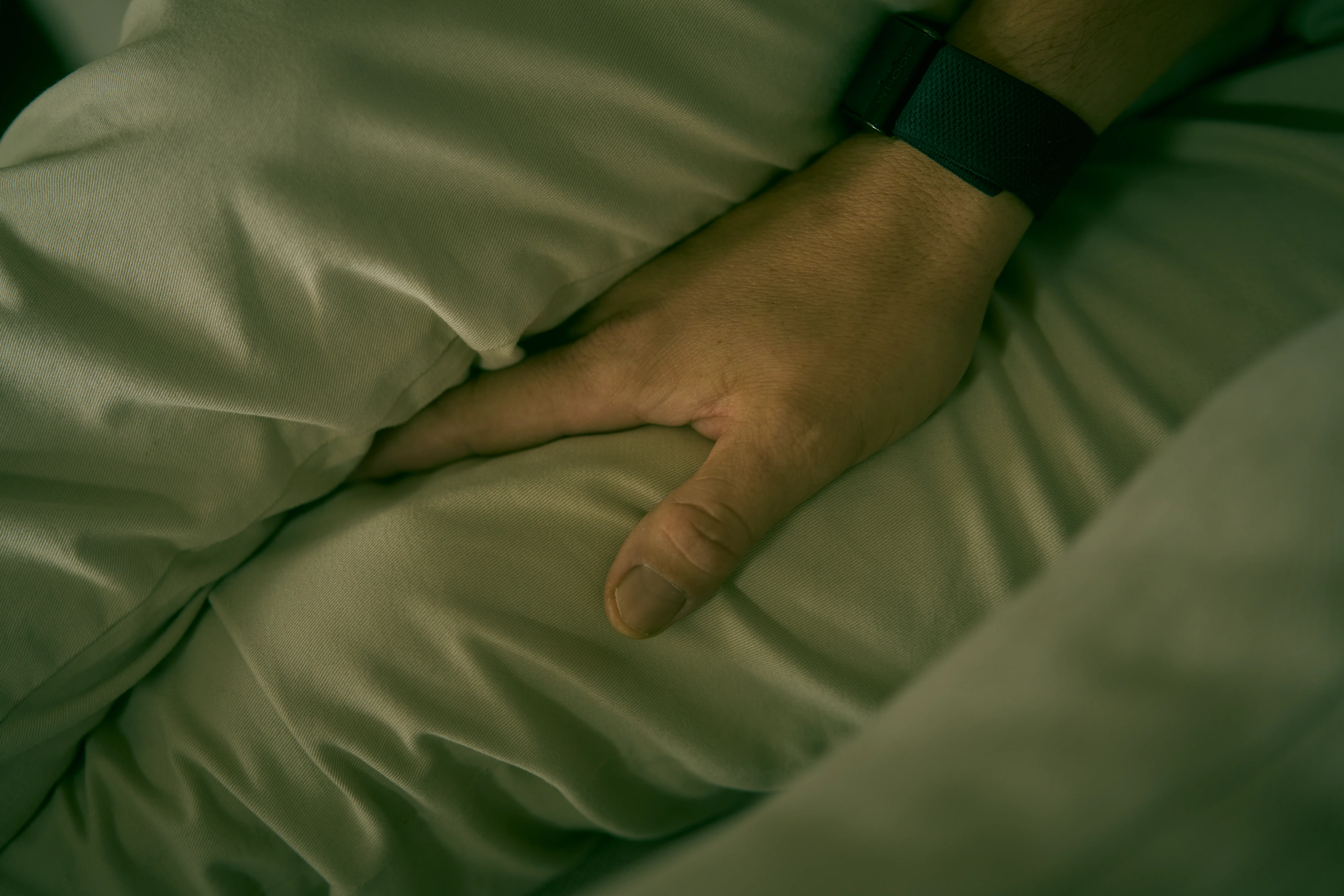

15+ team members, all dedicated to your health and well-being
You will be in the best possible hands throughout your stay with us. Our team is made up of world-renowned doctors, therapists and specialists, including a Nobel Prize-winning board member. During your stay with us, a team of more than 15 experts will be dedicated solely to you and your health. This includes a personal psychiatrist, medical doctor, client relations team, and a live-in therapist who will be available for emotional support and therapeutic assistance 24 hours a day, 7 days a week.
Comprehensive programmes as unique as you are
We carefully curate a holistic PTSD treatment programme to suit your specific needs. Depending on your circumstances, this may include a range of cutting-edge psychotherapeutic techniques, such as eye movement desensitisation and reprocessing (EMDR), trauma-focused cognitive-behavioural therapy (CBT) and psychedelic-assisted therapy. In some cases, we may prescribe medication.
We provide treatment for all types of PTSD, from uncomplicated and co-morbid to complex PTSD and PTSD-related conditions, at our PTSD treatment facility in Zurich.
FURTHER READING