WHAT WE TREAT
At Paracelsus Recovery, we provide comprehensive, bespoke and expert-designed treatment for orthorexia nervosa to help you recreate a healthy relationship with food. To achieve this goal, our team will address any underlying issues and provide you with the tools necessary to create robust coping strategies.

Orthorexia involves an unhealthy obsession with healthy or ‘clean’ eating. Food groups are typically split into rigid “good” and “bad”’ categories, coupled with an irrational fear of these “bad” foods. While healthy eating is essential for self care, it becomes unhealthy when it grows into an obsession that negatively impacts one’s life. Rather than controlling their food consumption to feel healthy, a person suffering from orthorexia uses healthy eating as a way to cope with psychological issues such as depression, anxiety, trauma ,or difficult emotions such as guilt or sadness.
Numerous factors contribute to the development of orthorexia nervosa. These include genetic dispositions such as a family history of eating disorders, developmental factors such as childhood trauma, underlying mental health conditions, low self-esteem, and obsessive personality traits. Environmental factors such as having a job that places an emphasis on clean eating or being thin, such as ballet dancers, athletes, personal trainers, and Instagram influencers whose ‘brand’ is health and fitness, can also influence a person’s likelihood of developing orthorexia nervosa.
Orthorexia can cause permanent damage to physical and psychological health, producing similar effects to eating disorders such as anorexia or bulimia over time. For example, it can lead to malnutrition, a weakened immune system, reduced bone density, heart and lung damage, kidney failure, pancreatitis, and irregular menstruation. It can also damage a person’s cognitive abilities and emotional well-being which can lead to substance abuse, other mental illnesses, diminished self-esteem, and suicidal thoughts. If left untreated, orthorexia can lead to other eating disorders such as anorexia or bulimia.
Unlike other eating disorders, individuals with orthorexia are less focused on body image and weight loss. Instead, the disorder manifests in the avoidance of foods because of perceived (usually undiagnosed) allergies, the continuous reduction of what foods are acceptable, an irrational concern for the food’s origins, and a fear of medical ill-health. Orthorexia can be very hard to diagnose because cutting out entire food groups such as sugar, fats, meat, or dairy is often seen as healthy. Symptoms of orthorexia include:
- Feeling intense guilt or shame when consuming ‘bad’ foods.
- Spending an excessive amount of time thinking about and planning meals.
- Following an increasingly restrictive diet.
- Hiding or concealing food from others.
- Linking self-esteem with adherence to a specific diet.
- Being overly interested and/or critical of other people’s eating habits.
- Obsessing over food origins, ingredients, and nutrition labels.
- Significant weight changes.
- Mood swings.
- Sleep problems.
Additional symptoms include:
What are the psychological symptoms of orthorexia?
- Obsessive preoccupation with food purity, quality, and nutritional content.
- Anxiety or guilt when eating foods deemed “unhealthy” or “impure.”
- Feelings of moral superiority tied to eating “clean” or “perfect” foods.
- Fear of illness or disease from eating “unhealthy” foods.
- Low self-esteem or identity tied to food choices.
- Emotional distress when “healthy” food is unavailable.
- Rigid, black-and-white thinking about food (e.g., labelling foods as “good” or “bad”).
What are the physical symptoms of orthorexia?
- Unintentional weight loss due to restrictive eating.
- Fatigue or low energy from inadequate caloric intake or nutrient imbalances.
- Gastrointestinal issues, such as bloating or constipation, caused by a limited diet.
- Malnutrition or deficiencies in vitamins and minerals.
- Loss of menstrual periods (amenorrhea) in individuals assigned female at birth.
- Brittle hair, nails, or dry skin as a result of inadequate nutrition.
- Muscle weakness or reduced physical performance.
What are the behavioural symptoms of orthorexia?
- Spending excessive amounts of time researching or planning meals.
- Avoiding social events or dining out due to fear of eating “impure” food.
- Extreme adherence to food rules or rituals (e.g., preparing food in a specific way).
- Refusing to eat food prepared by others due to lack of control over ingredients.
- Eliminating entire food groups (e.g., carbs, fats) without medical necessity.
- Constantly monitoring or judging others’ eating habits.
- Progressively narrowing the range of “acceptable” foods.
bespoke treatment
How we treat orthorexia
We can’t tell you exactly what your four-week stay will involve because our patients have no pre-defined treatment path. Everyone who comes to stay at Paracelsus Recovery receives a bespoke treatment plan, with each day thoughtfully structured to include a range of carefully tailored therapeutic elements.
Our treatments work together to address all aspects of orthorexia, from restoring a balanced relationship with food to managing the underlying emotional and psychological struggles. With a focus on both physical and mental well-being, our therapies are designed to complement one another, helping you regain control over your health and build sustainable, positive habits around eating. See below for more details.
Our approach considers the whole person: mind, body and soul
At Paracelsus Recovery, we treat orthorexia with a multidisciplinary, 360-degree approach. This combines specialised psychotherapy, biochemical restoration, and many complementary therapies.
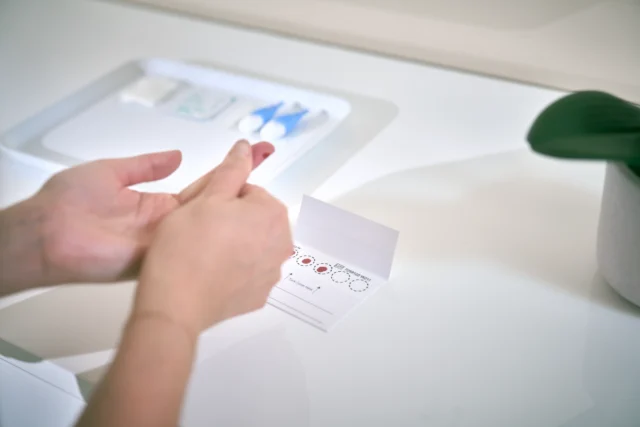
The first step in your treatment is a thorough and intensive assessment, designed to uncover any underlying issues that may be contributing to your orthorexia, such as emotional trauma, past experiences with food, or biochemical imbalances. Based on these, we create an individualised treatment programme which aims to address the underlying factors and help you re-establish a healthy relationship with food.
Your treatment programme may include evidence-based therapies such as Cognitive Behavioural Therapy (CBT) to help you manage the obsessive thoughts surrounding food, trauma-informed care to address any emotional wounds, and nutritional counselling to support a balanced, sustainable approach to eating. In addition, we provide biochemical restoration treatments, such as hormone balancing or addressing nutrient deficiencies, to restore physical health and support mental clarity.
Complementary therapies like mindfulness, meditation, and relaxation techniques will also be incorporated to help you manage stress and anxiety, rebuild trust in your body, and foster a more flexible relationship with food.



15+ team members, all dedicated to your health and well-being
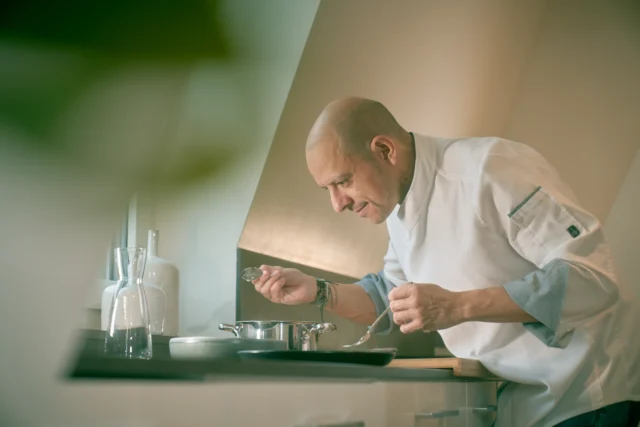
A team of more than 15 professionals will be dedicated to you and by your side throughout your stay with us. This includes a personal psychiatrist, medical doctor, dietitian, client relations team, and many others. At the heart of this team is a live-in therapist, there to provide emotional support and help you address each and every difficult emotion that arises throughout your stay.
Comprehensive programmes as unique as you are
Based on our core principles of empathy and pragmatism, we design your orthorexia nervosa treatment to truly meet you where you are.
We can provide treatment for orthorexia nervosa and any co-occurring mental health conditions at our private orthorexia treatment clinic in Zurich.

FURTHER READING