WHAT WE TREAT
Struggling with a heroin addiction is a fate we would wish on no one. Or, perhaps more succinctly put, realising you are dependent on heroin and that you have no choice but to give it up means you now have to navigate the immensely difficult process of giving up that object you’ve spent months or years completely in love with. That process is undoubtedly a painful one.
We understand how overpowering the addiction can be. We also know how difficult, or even dangerous, it is to try and tackle that beast alone. There is no such thing as moderation when it comes to a heroin addiction and while going to a residential drug treatment centre for heroin addiction is never an easy decision, it is one of the most important acts of compassion you will ever make towards yourself.

Heroin is a highly addictive opioid processed from morphine, a naturally occurring substance extracted from poppy plants. Opioids work by blocking pain signals between the brain and body. It is a powerful sedative that can create feelings of warmth, relaxation, decreasing anxiety, and increasing euphoria. These effects are induced by the morphine present in heroin and are short-lived. Whilst the effects fade quickly, it takes the body a lot longer to break down all of the heroin’s additional byproducts. To avoid these side effects, individuals need to take more heroin to detach themselves from the pain. This process is what makes heroin so addictive as it can quickly lead to tolerance, withdrawal symptoms, and addiction.
Sedatives depress the central nervous system (CNS). The CNS is the subconscious part of the body that works to regulate breathing and heart rates. If it becomes too depressed, it has the potential to ‘forget’ to function altogether. Taking increasing amounts of heroin because of increasing tolerance levels heightens the risk that an individual will take more than their body can handle, leading to an overdose and death.
Among the short-term risks of heroin are: HIV/AIDS and Hepatitis C due to contaminated needles, slurred speech, reduced motor skills, confusion, problems concentrating, decreased blood pressure and heart rate, irregular heartbeat, lowered body temperature and coma. The long-term risks of heroin are: overdose, intestinal issues, menstrual and fertility problems, decreased sex drive, diminished cognitive abilities, internal organ damage, damaged nasal passages (from snorting), and abscesses and damaged veins from injecting.
Through our combination of medical, psychological and personal care, we are proud to be the only clinic in the world that addresses co-occurring conditions and every possible root-cause of heroin addiction. In doing so, we can help you recover in a matter of weeks, rather than years or months.
What causes a heroin addiction?
In our experience, the only deciding factor is whether or not you are in pain. For example, what tends to happen is that a doctor prescribes an opioid-based painkiller for chronic pain (e.g., cluster headaches caused by an undiagnosed anxiety condition). Those opioids release dopamine. Mental health issues deplete our brain of this neurochemical, so pre-medication, that patient would have been functioning in a deficiency state. But suddenly, they feel happy and normal. Of course, that feeling only lasts so long, and it leads to tolerance, which sets people up for addiction.
What causes withdrawal symptoms?
All opioids act on the body’s opioid system by binding to opioid receptors in our brain. Our endorphins temper pain signals by binding to these receptors. Opioid drugs essentially bind much more strongly and for much longer. When a drug binds to opioid receptors, it triggers the release of dopamine, which leads to euphoria.
But it also suppresses the release of noradrenaline impacting wakefulness, breathing, digestion and blood pressure. A therapeutic dose will suppress noradrenaline enough to cause side effects like constipation. At higher doses, it will decrease heart and breathing rates to dangerous levels, which leads to loss of consciousness and overdoses.
With continued use, the body needs to adapt to this change in its system. To do so, it will decrease the number of opioid receptors. So now, if you want to experience the same mood effects (release of dopamine) as before, you need to take a larger dose (this is how tolerance forms).
But, as people take more to compensate for tolerance, noradrenaline levels continue to decrease. To compensate, the body increases its number of noradrenaline receptors. This increased sensitivity to noradrenaline allows the body to continue functioning normally, but opioids are now essential to maintain the new balance.
This is because when someone stops taking opioids, noradrenaline levels will start to rapidly increase. But the body needs time to remove all those additional noradrenaline receptors. This imbalance causes withdrawal symptoms (dope-sickness). It also means that people are most likely to overdose when they have been off opioids for a while (or in withdrawal) because what would have been a standard dose while your tolerance was high is now lethal.
Hence, the only deciding factor is whether someone will become addicted is if they are in pain and lacking dopamine because that increase in dopamine levels can stabilise them, leading them to want more.
Symptoms of heroin addiction include:
BESPOKE treatment
How we treat heroin addiction
We can’t tell you exactly what your four-week stay will involve because each person’s journey with heroin addiction is unique. Therefore, we curate a bespoke treatment plan for everyone who comes to stay at Paracelsus Recovery; there is no pre-defined treatment path.
Each day you are with us will be carefully structured, integrating a range of handpicked therapies designed specifically to help address the complexities of overcoming your heroin addiction and make the process as comfortable as possible. These therapies are thoughtfully coordinated to complement one another, ensuring that every aspect of your physical, emotional, and psychological health is addressed. See below for more details.
Our approach considers the whole person: mind, body and soul
Our treatment programmes are built on the foundational principles of empathy, innovation, and pragmatism. Recognising that every individual’s journey is unique, we avoid a ‘one-size-fits-all’ approach. Instead, we design bespoke programmes tailored to your specific needs and circumstances.
For heroin dependence, we incorporate specialised treatments such as medication-assisted therapies (e.g., Suboxone or methadone) to ease withdrawal symptoms, alongside cutting-edge therapies like biofeedback and mindfulness-based techniques to support long-term recovery.
To create your personalised treatment plan, we conduct an extensive medical and psychiatric evaluation to uncover any underlying physical, emotional, or psychological contributors to your heroin dependence. This thorough assessment allows us to address the root causes and guide you toward a life of renewed health and well-being.
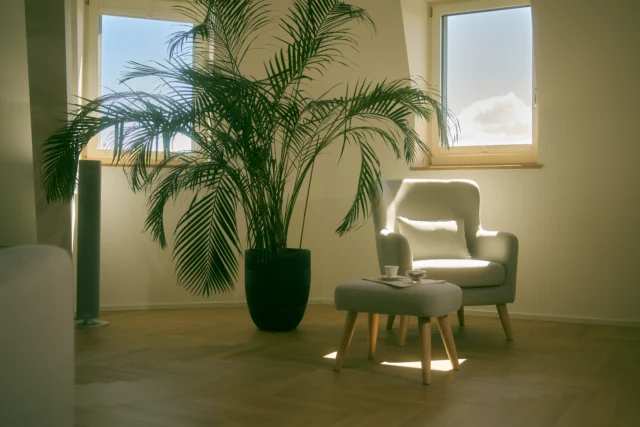



15+ team members, all dedicated to your health and well-being
We are the only residential drug treatment centre in the world to provide a minimum of 15 dedicated professionals to each client.
Guiding you through the heroin withdrawal process and all other treatments are a more than 15 experts. You will be counting on the unparalleled support of world-renowned doctors, therapists and addiction specialists. A key member of this team is a live-in therapist who can offer emotional support 24/7 throughout your entire stay. Together, they provide around-the-clock treatment to give you the best chance of long-term recovery. No matter the unique blend of treatments you receive, they will be delivered with the Swiss medical excellence we are known for.
Comprehensive programmes as unique as you are
Our heroin treatment programmes are guided by our principles of humanistic pragmatism and curated to meet your individual needs.
We can provide tailored treatment for heroin addiction and any co-occurring dependencies and mental health conditions at our discrete residential drug treatment centre in Zurich.
FURTHER READING