Types of therapy
Types of therapy
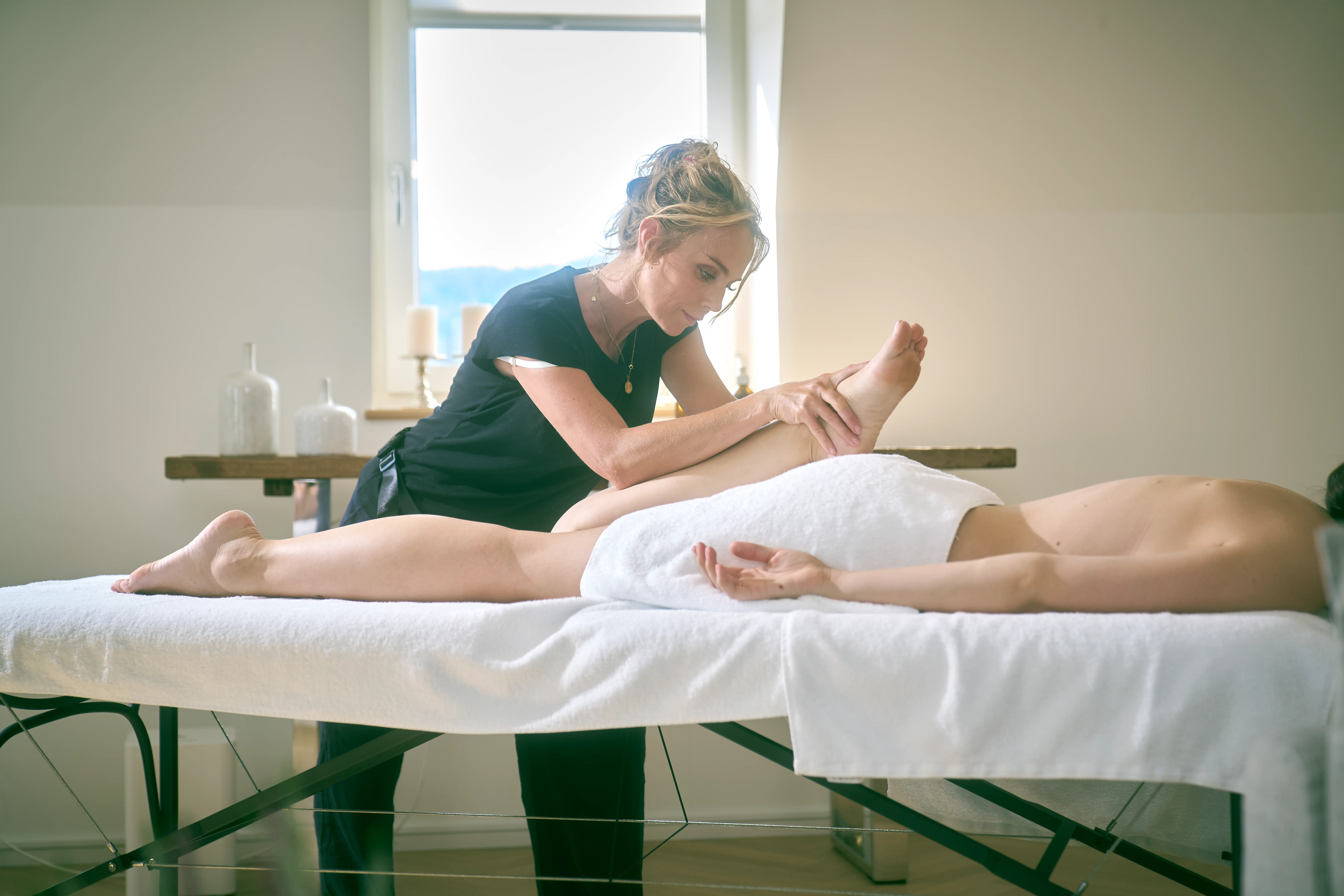
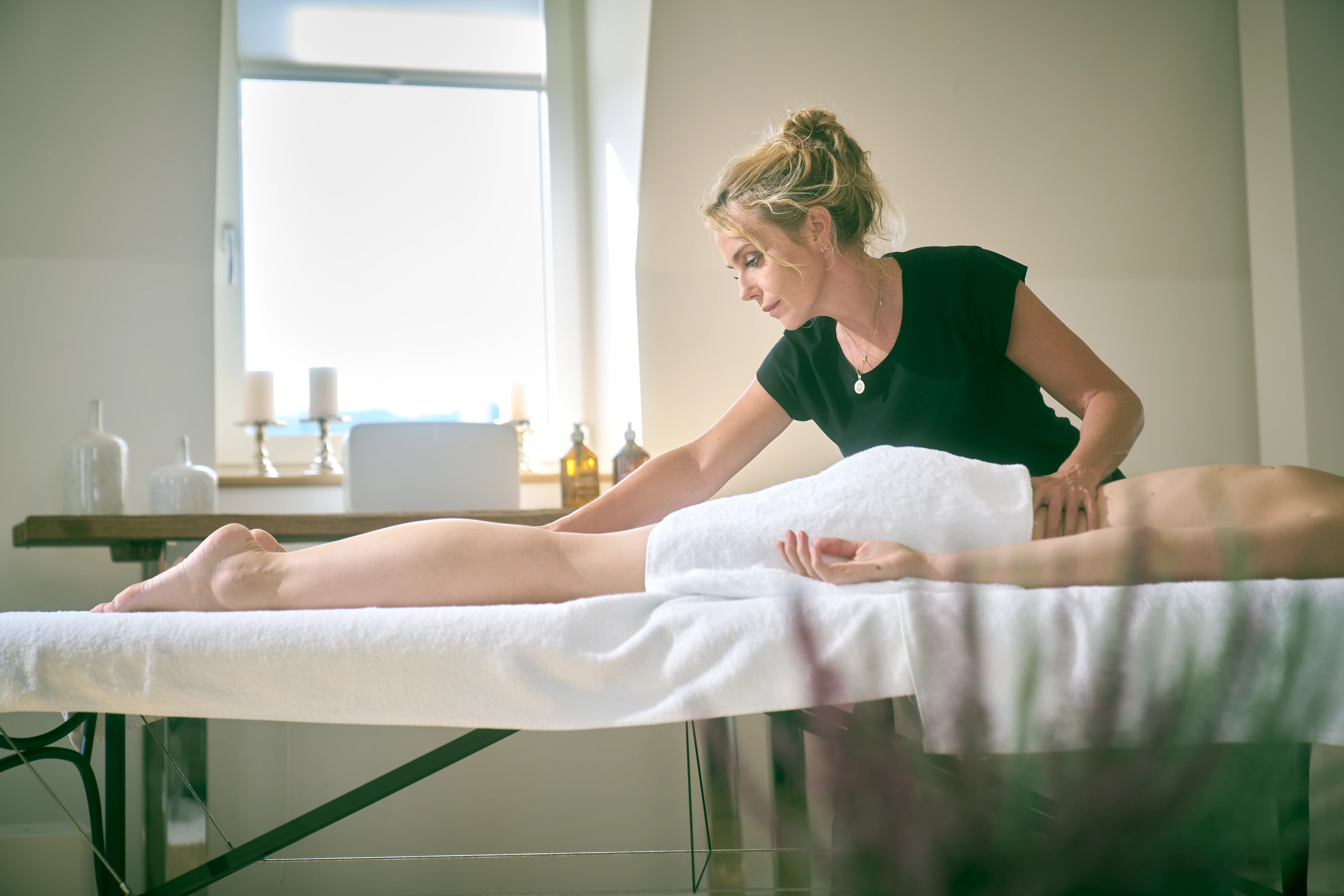
At Paracelsus Recovery, each of our treatment programmes includes bespoke massage treatments. Massage therapies reduce stress and improve sleep quality, both of which improve emotional well-being and help ensure long-lasting recovery.
What is massage therapy?
Massage therapy has been used for thousands of years to restore physical and emotional health. It works by physically manipulating soft tissue, which increases blood and lymph circulation. This in turn encourages healing in injured areas of the body. The relaxation of muscle tissue also reduces nerve compression, which improves our nerve’s ability to communicate messages from the body to the brain and vice versa. Put simply, massages strengthen our mind-body connection.
There are numerous types of massage and each serves a different function. For instance, some are designed for stress relief while others work to diminish muscle soreness. At Paracelsus Recovery, we will ensure that each massage treatment you receive suits your specific needs, preferences and treatment goals. We believe that complementary therapies such as frequent, high-quality and tailored-to-you massages can go a long way in helping our clients feel as comfortable as possible during an undoubtedly difficult time. That’s why massage therapy is offered in tandem with all of our other complementary treatments as part of our holistic treatment plans. Each of these therapies is intended to reestablish balance, restore well-being and support the healing process.
What are the benefits of massage therapy?
Massage treatments can help to strengthen the mind-body connection, allowing us to become more aware of the relationship between our emotional and physical states. For example, massage therapy eases psychological tension. Without that stress we can think clearer, sleep better and feel calmer. By promoting rest and improving sleep quality, massage therapy can also ease insomnia symptoms. Massage therapy has been shown to reduce mental fatigue and improve alertness, concentration and cognitive performance.
Another benefit of massage therapy is that it promotes inner peace and calm, which helps regulate our stress hormones and improves our overall mental health. Due to the boost in feel-good neurochemicals, regular massages can also increase self-esteem and confidence, promoting a sense of relaxation and well-being. And, of course, massage therapy can help alleviate symptoms of chronic pain, reducing the impact of pain on chronic health. In summary, massage therapy has many benefits that can help to alleviate symptoms of various mental health conditions, such as anxiety, depression and PTSD, as well as substance abuse disorders and chronic conditions.
What is massage therapy helpful for?
Mental health and substance abuse issues can be stressful and exhausting, negatively impacting our physical health in many ways. Massage therapies effectively reduce stress, providing you with a much-needed chance to breathe, relax and ultimately improve your overall health. For example, massage assists your body in reestablishing a healthy hormonal balance. According to one study, massage therapy reduced cortisol, known as the “stress hormone”, levels by up to 53% in people suffering from depression and stress. When we feel calm and relaxed, we feel more optimistic and confident, which will aid in recovery.
Massage therapy can also cause the release of the “feel-good” hormones dopamine, serotonin and oxytocin that can boost mental health and support the recovery process. In the case of addiction in particular, massage therapy can improve the management of withdrawal symptoms. Aside from this, massage offers a gentle way to reconnect with your body, thoughts and feelings, which you may have felt disconnected to for some time while suffering from addiction. Massage can also ease symptoms and provide pain relief for those suffering from chronic pain or chronic conditions like cancer and heart conditions.
Aside from this, Including massage therapy as part of mental health and addiction treatment programmes provides clients with a welcome break from talk therapy or other treatments that may be emotionally draining. Massage therapy requires no doing; just being and receiving.
Sharing insight