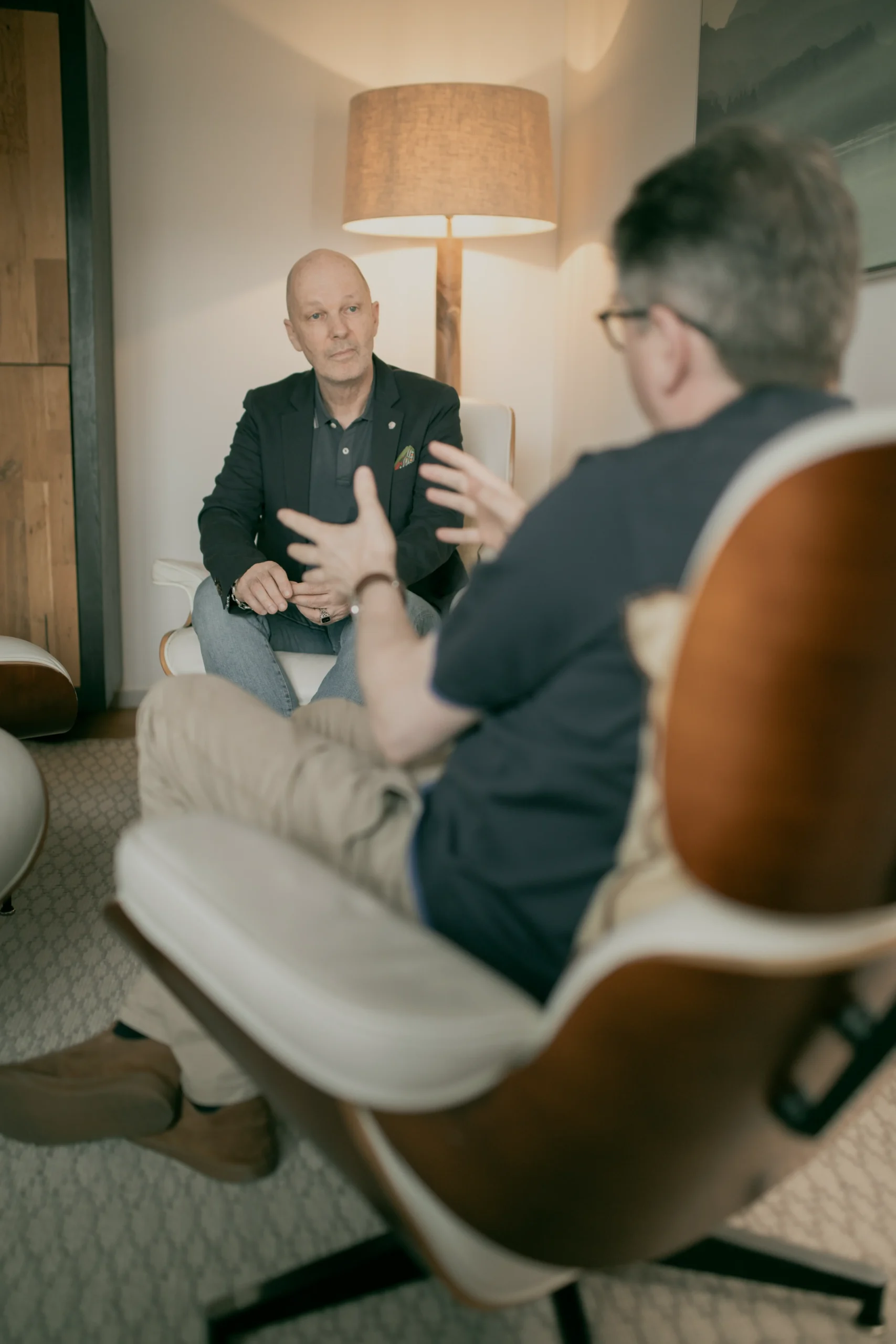
At Paracelsus Recovery, Dialectical Behaviour Therapy (DBT) is an integral part of our holistic treatment method. The aim of DBT is to help you process intense emotions and, in so doing, create positive changes in your life.
What is DBT?
DBT is a type of talk therapy that has its roots in CBT. The primary aim of DBT is to help individuals balance and integrate acceptance and change. The word ‘dialectical’ refers to the aim of resolving the apparent contradiction between accepting yourself and changing your behaviour for the better. DBT therapy helps you understand how both goals are attainable; they are not mutually exclusive. It acknowledges the complexity of life and the need to balance the often contradictory emotions you feel. A key part of this process is the validation the therapist offers to the individual, which facilitates cooperation and willingness to change.
To this end, it teaches people to develop healthy coping mechanisms, regulate their emotions, live in the present and improve interpersonal relationships. DBT also helps you replace harmful behaviours with more supportive behaviours and sheds light on why you struggle with the things you do. While DBT was originally developed to treat border personality disorder (BPD), it is helpful for various other conditions involving emotional dysregulation and/or self-destructive behaviours. As a result, DBT has also been adapted to treat conditions such as depression, anxiety, post-traumatic stress disorder (PTSD), eating disorders and substance abuse disorders.
DBT is practical, equipping you with skills to cope with the stresses of day-to-day life. As a result, a central element of DBT is education. It is designed to teach skills to help manage intense emotions and navigate social relationships. These skills include mindfulness to notice and accept the fleeting nature of emotions, distress tolerance to handle negative emotions and crises, emotional regulation to manage and transform intense emotions, and interpersonal effectiveness to communicate with others in an assertive, self-respecting way. Ultimately, DBT seeks to empower individuals to achieve greater emotional stability, make more constructive choices and lead more fulfilling lives.
What’s the difference between DBT and CBT?
Dialectical Behavior Therapy (DBT) and Cognitive Behavioral Therapy (CBT) are both evidence-based psychotherapies and share many similarities. However, their differences lie in their focus and the techniques they use.
The primary focus of CBT is to help you identify and change unhelpful thoughts and patterns of behaviour in order to change how you feel and respond to life. With this in mind, CBT involves pinpointing these “automatic negative thoughts” and replacing them with more constructive ones. The methods used to do this include structured problem-solving, cognitive restructuring, behavioral activation and exposure therapy. CBT also encourages logical analysis of thoughts to challenge irrational beliefs and assumptions. While DBT shares this aim of rewiring thoughts and behaviours, this method simultaneously focuses on building your self-acceptance and finding balance between self-acceptance and change. To this end, DBT emphasises regulating intense emotions, improving interpersonal effectiveness and developing distress tolerance and mindfulness skills.
Both CBT and DBT are highly effective but cater to different needs and situations. Because of the way it works, CBT is considered the most effective treatment method available for a broad range of disorders, including anxiety, depression, obsessive-compulsive disorder, OCD, PTSD, substance abuse disorders and eating disorders. In comparison, DBT is most suitable for treating conditions where emotional regulation and/or self-destructive behaviours are present. These include borderline personality disorder, eating disorders, substance use disorders and PTSD. At Paracelsus Recovery, your team of psychotherapists will define which of the methods is most appropriate for your unique situation. The bottom line is that everyone experiences therapy differently.
How is DBT included in my programme?
The overarching aim of our treatment programmes is to reestablish your health and well-being on a neurochemical, emotional and physical level. To make this possible, our treatment programmes feature many hours of tailored one-to-one therapy with members of our psychotherapeutic team made up of leading experts. When appropriate, this will include DBT. Your psychotherapist may use DBT alongside other psychotherapeutic methods, such as CBT, trauma-focused therapy and EMDR. To complement the intensive psychotherapy, you will also receive a unique blend of alternative therapies such as breathwork, acupuncture and reflexology as well as various methods of biochemical restoration. While group work is often a feature of DBT, we never include any group sessions as part of your programme; all sessions are one-to-one and bespoke to you.
Once your psychotherapist has assessed if DBT is suitable for you, you will begin sessions. DBT treatment generally progresses through four stages. The first aim is to address self-destructive behaviours such as self-harm or suicidal tendencies. Following this, the focus shifts to addressing issues affecting your quality of life. During this stage, your psychotherapist will apply various DBT techniques to navigate challenges and enhance relationships: mindfulness, distress tolerance, interpersonal effectiveness and emotion regulation. Next, the aim is to build your self-esteem and improve your interpersonal relationships. Finally, the focus is on optimising what you get out of your life; examining how you can boost your happiness, cultivate healthy relationships and go after your life goals.
In between sessions, you will be asked to keep a diary to track emotions and impulses. Doing so helps you gain awareness of how you feel and pinpoint the situations that are particularly triggering. As a result, you can gain more control of your behaviour. In the next session, your psychotherapist will help you review such situations and prompt you to come up with alternative, more positive, ways of behaving. In addition, at Paracelsus Recovery your dedicated live-in therapist will be available to help you navigate crises as you encounter them between your structured DBT sessions.