WHAT WE TREAT
Shopping addiction (oniomania) goes far beyond simple consumerism, often driven by an uncontrollable urge to buy things as a way of managing emotional distress and to feel a sense of satisfaction. If you are worried about your spending habits, you are not alone and we can help you.
We will work with you to create a treatment plan that fits your unique needs, giving you the tools and support to break free from the cycle of addiction and move towards a completely different relationship to spending money.

Oniomania occurs when a person feels an uncontrollable urge to shop (i.e. spend money). It can lead to financial problems, shame, damaged relationships and high-stress levels. It is just as damaging to the individual’s life as a gambling or alcohol dependency. However, advertisements perpetually tell us that if we buy this object, we will be happy. As such, a shopping dependency can be much harder to spot than other addictions. Many people who suffer from shopping addiction also experience co-occurring mental health conditions.
For someone struggling with oniomania, spending money often becomes a coping mechanism for managing difficult emotions like anger, self-critical thoughts, boredom, or loneliness. Because of this connection with painful emotions we don’t know how to manage, we often find ourselves trapped in a cycle where the remorse we feel for how much we spent is as addictive as the rush of shopping itself.
In our experience, a shopping addiction is almost always linked to other disorders and issues. For the most part, oniomania is rooted in ADHD (particularly impulse control issues), anxiety disorders and obsessive-compulsive tendencies.
In some cases, when people feel immense guilt after their purchasing binge, oniomania can also function as a kind of symbolic self-harm practice. In these instances, it could signal an underlying major depressive disorder
Through our combination of medical, psychological and personal care, we are proud to be the only clinic in the world that addresses co-occurring conditions and every possible root-cause of a shopping addiction. In so doing, we can help you address the underlying causes and recalibrate your relationship with spending money in a matter of weeks, rather than years or months.
bespoke treatment
How we treat shopping addiction
We can’t tell you exactly what your four-week stay will entail, as each person’s experience of work addiction is deeply personal. Similarly, every individual’s path to recovery is unique. At Paracelsus Recovery, there is no pre-defined treatment path; every client receives a bespoke plan tailored to them. However, all our programmes share a non-12-step approach, prioritising harm reduction.
Your days with us are carefully structured, with each therapeutic element thoughtfully chosen to support you in overcoming your reliance on shopping as a coping mechanism for whatever pain you are navigating in life. All the therapies included in your programme are designed to complement one another to help you break free from the cycle of addiction and heal your relationship with money. See below for further details.
Our approach considers the whole person: mind, body and soul
We do not adopt a ‘one-size-fits-all’ approach. Instead, we adapt each programme to each client’s unique set of needs. While our approach prioritises cutting-edge modalities and holistic care, your unique needs ultimately guide our work together.
Our 360-degree treatment approach begins with extensive testing to uncover why you have developed a shopping addiction and what to do to put an end to it. In the case of shopping addiction, the first step is often to figure out if it is a behavioural addiction or a compulsive disorder. This distinction is key because if it is an addiction, we know that the client is using shopping as a coping mechanism for pain. In contrast, if it is a compulsive disorder, then we would be looking at more anxiety-focused treatment modalities. When treating shopping addiction, we draw on a range of therapies such as Cognitive Behavioural Therapy (CBT), Mindfulness-Based Stress Reduction (MBSR), EMDR, nutritional therapy, sleep therapies, and biofeedback.
Addressing the root causes of your shopping addiction is just one element of our approach. We also focus on addressing any consequences of your dependency, such as neurological or physiological damage caused by the addiction. Our treatments typically involve a combination of intensive psychotherapy, biochemical restoration, and numerous complementary therapies. Together, these elements are designed to support lasting recovery as well as to help you create robust coping strategies, process pain and re-strengthen your mind-body connection.
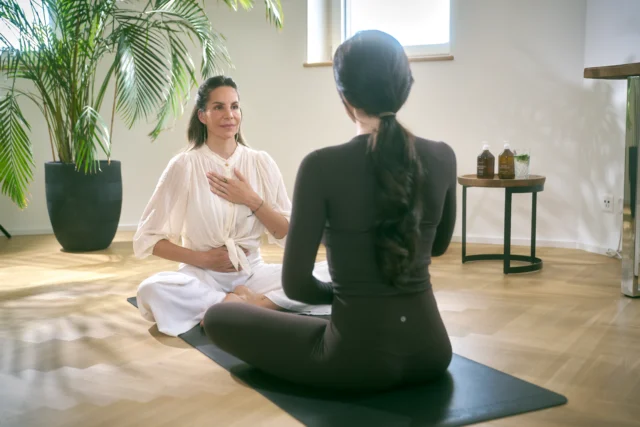

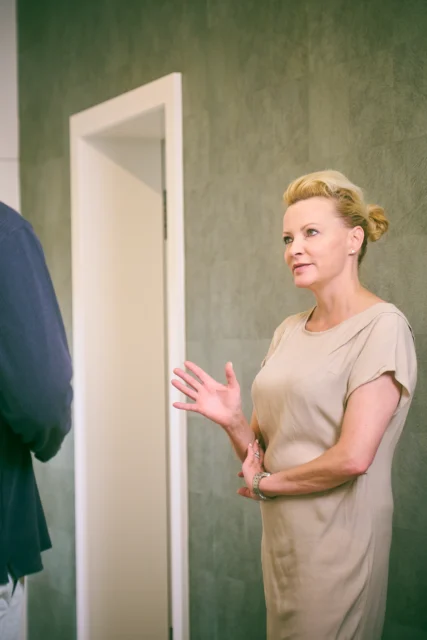
15+ team members, all dedicated to your health and well-being
A team of more 15 experts will be dedicated solely to you and your health. This includes a personal psychiatrist, medical doctor, addiction specialists, and a live-in therapist who will be available for emotional support and therapeutic assistance 24 hours a day, 7 days a week. No matter the unique blend of treatments you receive, they will be delivered with the Swiss medical excellence we are known for.
Comprehensive programmes as unique as you are.
Our approach is highly pragmatic, non-judgemental, and built upon our pillar of harm reduction, meaning the decision to completely remove shopping from your life is entirely yours.
We can provide treatment for shopping addiction and any co-occurring dependencies and mental health conditions at our private treatment centre in Zurich.
FURTHER READING