WHAT WE TREAT
Trying to come off opioids can feel impossible. Seeking out professional support at a residential drug treatment centre gives you the best possible chance of recovery. Our bespoke opioid treatment programmes help you safely withdraw from opioids, separate your sense of self from the addiction, and restore your health.

Opioids are a class of drugs derived from the opium poppy plant, and they are highly potent sedatives used for pain relief or anaesthesia. While prescription opioids like oxycodone (OxyContin), hydrocodone (Vicodin), codeine, and morphine are medically prescribed for pain management, illegal opioids such as heroin and fentanyl are often misused and come with significantly higher risks.
Prescription opioids, when used as directed, can help manage pain, but they still carry the risk of dependency. On the other hand, illegal opioids are not regulated and can be much more dangerous, often leading to overdose and death. All opioids, whether prescribed or illicit, work by triggering the release of endorphins that block pain, increase pleasure, and create a short-lived sense of well-being. This intense rush can lead to cravings, and over time, people may develop a dependence, especially when the effects wear off.
Alongside a powerful physical dependency, opioids can also lead to a psychological addiction. When an individual takes opioids, the body slows down its natural production of endorphins. If we were already struggling with self-esteem, stress levels, trauma, or numerous other difficulties, this lack of feel-good chemicals can trigger mental health conditions such as depression. In turn, mental health conditions escalate our likelihood of developing a substance abuse dependency. Opioid abuse can also lead to tolerance, which means ever larger doses of the drug are needed to trigger the release of these much-needed endorphins. As the brain becomes more dependent on the substance and the doses increase, the stage is set for an addiction.
In the short term, opioids reduce our perception of pain and cause drowsiness, confusion, and euphoria. At high doses, they depress respiration and can lead to an overdose and cessation of breathing. In the long term, opioid abuse changes the neurochemistry in our brain which can lead to psychological addiction, tolerance, withdrawal symptoms, mood swings, and mental health conditions such as depression and psychosis.
Similar to many other addictions, the most notable sign of opioid dependency is continuing to use the substance despite its negative consequences to your life. Being unable to stop using opioids despite wanting to quit is another key indicator. Other symptoms include:
- Sadness, anxiety, and mood swings.
- Increasing the amount ingested to obtain the feeling of relief.
- Experiencing withdrawal symptoms such as physical illness when not using opiods.
- Spending more time alone.
- Avoiding places or people with whom you cannot consume opioids.
- A lack of concern for personal hygiene, responsibilities or social activities.
- Fatigue and drowsiness.
Additional symptoms include:
What are the physical symptoms of opioid addiction?
- Withdrawal symptoms: Severe muscle aches, sweating, nausea, vomiting, and diarrhoea when not using opioids.
- Track marks: Visible scarring or sores from injecting opioids, like heroin or prescription painkillers.
- Collapsed veins: A result of frequent intravenous use of opioids.
- Pinpoint pupils: Noticeably smaller pupils, even in low light, a sign of opioid use.
- Chronic fatigue: Constant exhaustion or low energy levels, often a result of opioid use.
- Respiratory issues: Slow or laboured breathing, which can be life-threatening after opioid use.
What are the emotional symptoms of opioid addiction?
- Using opioids as a way to escape feelings of sadness, anxiety, or emotional pain.
- Experiencing intense shame or guilt about opioid use and the impact it has on life.
- Emotional numbness or detachment from reality when under the influence of opioids.
- Mood swings, including intense irritability or anger, especially when not using.
- Emotional withdrawal from loved ones or meaningful relationships, feeling isolated.
What are the psychological symptoms of opioid addiction?
- Craving opioids to feel “normal” or avoid withdrawal symptoms.
- Experiencing paranoia, confusion, or disorientation during or after use of opioids.
- Obsessing over obtaining and using opioids, often at the expense of other priorities or responsibilities.
- Difficulty concentrating, making decisions, or recalling memories while using or during withdrawal.
- Losing a sense of self-worth or hope for the future, feeling trapped in the cycle of addiction.
If these signs sound familiar, we can help guide you toward recovery.

understanding your dependencies
Types of opioid addictions we treat
We understand unequivocally that pain is universal, but recovery has to be personal.
We understand how overpowering a heroin addiction can be. We also know how difficult, or even dangerous, it is to try and tackle that beast alone. There is no such thing as moderation when it comes to heroin addiction, and while going to a residential drug treatment centre for heroin addiction is never an easy decision, it is one of the most important acts of compassion you will ever make towards yourself.
Morphine addiction can quickly take control of your life, overshadowing everything else. Seeking professional help is an essential step towards healing; it’s not a sign of weakness but a courageous decision to prioritise your health.
We can help you overcome your fentanyl addiction, no matter how challenging that may feel. Our tailored treatment programmes are centred on providing a safe withdrawal from fentanyl, addressing your subsequent cravings, and helping you find a way to live a life that does not require you to rely on such dangerous escapism in order to live it.
We understand how overwhelming it can feel to be struggling with codeine addiction. At Paracelsus Recovery, we are here to help you find a path to recovery. We can help you address the underlying reasons and support you in building a life that does not require drugs to be lived.
Oxycodone, though often prescribed for legitimate pain management, can be incredibly dangerous. Many people begin using it with the belief that it must be safe because it’s prescribed. But the reality is that the feeling of relief it provides can easily escalate into addiction, and the longer it’s used, the more likely it is to take control. At Paracelsus Recovery, we understand how addiction to substances like oxycodone can develop, and we provide a compassionate, comprehensive approach to help you reclaim your life.
Suboxone is commonly prescribed as a treatment for opioid addiction, but it can also lead to dependency if not carefully managed. Though it may help alleviate withdrawal symptoms from more potent opioids, Suboxone itself can become a crutch, making it challenging to break free from the cycle of addiction. At Paracelsus Recovery, we recognise the complexity of Suboxone dependency and take a personalised approach to help you taper off safely and effectively.
Vicodin is often prescribed for pain relief, but its combination of acetaminophen and hydrocodone can be highly addictive, even when taken as directed. The relief it offers can quickly evolve into a need for more, leading to tolerance, dependency, and a dangerous cycle of misuse. At Paracelsus Recovery, we understand how easily addiction to Vicodin can take hold, especially when it starts with a legitimate need for pain management.
bespoke treatment
How we treat opioid addiction
We can’t tell you exactly what your four-week stay will involve because each patient’s experience of opioid addiction is deeply personal and unique. At Paracelsus Recovery, we recognise that recovery is different for everyone so we create a bespoke treatment plan for every individual, with no pre-defined path.
Each day you are with us is thoughtfully structured to include a range of carefully tailored therapeutic elements to help you overcome your opioid dependency and make the process as comfortable as possible. These therapies are designed to complement one another and work together to restore your physical, emotional, and psychological health. See below for more details.
Our approach considers the whole person: mind, body and soul
At Paracelsus Recovery, we do not just treat symptoms. Instead, we carry out intensive testing to design a holistic treatment programme that addresses the environmental, psychological, physical, and social root causes of your opioid dependence and restores your health.
This information helps shape an entirely personalised treatment programme designed to help you understand the root causes of your opioid addiction and how to break free from it. For opioid dependence, we offer specialised treatments, including medication-assisted therapies such as Suboxone or methadone to alleviate withdrawal symptoms. Alongside this, we incorporate Cognitive Behavioural Therapy (CBT) and nutritional therapy as well as cutting-edge therapies like biofeedback and mindfulness-based techniques to support long-term recovery.
We focus not only on the root causes of addiction but also on its impact, from neurological to physical damage often caused by substance use. These are treated alongside the underlying factors that contribute to addiction. Our approach integrates intensive psychotherapy, biochemical restoration, and complementary therapies, all aimed at reducing stress and supporting your recovery.



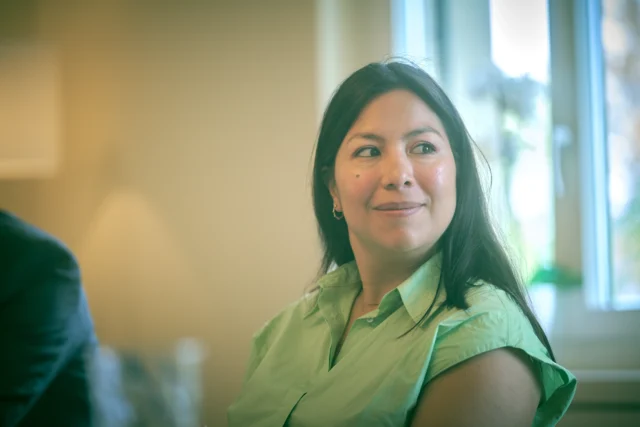
15+ team members, all dedicated to your health and well-being
Guiding your recovery are a team of more than 15 dedicated professionals made up of world-renowned doctors, therapists and addiction specialists. The around-the-clock treatment they provide throughout your stay with us includes supervision of your medically safe withdrawal from drug(s). A live-in therapist will be a crucial member of your team who is there to provide you with emotional support 24/7. No matter the unique blend of treatments you receive, they will be delivered with the Swiss medical excellence we are known for.
Comprehensive programmes as unique as you are
Guided by our core principles of empathy, innovation and pragmatism, we curate our comprehensive and intensive treatment programmes to suit you and your needs. Those needs may be physical and psychological, e.g., if our team identifies nutritional deficiencies or signs of other addictions during the assessment period, your programme will be shaped with these in mind. However, those needs can be practical too – such as when a client needs to work or travel during their stay with us.
We can provide treatment for opioid addiction and any co-occurring dependencies and mental health conditions at our private residential drug treatment centre in Zurich.

FURTHER READING