WHAT WE TREAT
At Paracelsus Recovery, we understand how hard it can be to face a Neurontin addiction. But you don’t have to go through it alone; we’re here to help. Our holistic and pragmatic treatment programmes provide safe, expert support through detox, address the root causes of the addiction, and help you rebuild your health.

Neurontin is an anticonvulsant that belongs to its own drug class, called gabapentinoids. Neurontin is commonly prescribed to treat nerve pain, restless leg syndrome, alcohol and cocaine withdrawals, fibromyalgia and seizures. Due to its ability to address a wide range of ailments, it is one of the most popular prescription medications in the US. While it is often considered a less addictive alternative to opioids, it is still possible to become addicted to gabapentin.
Neurontin works by changing an individual’s calcium channels to reduce seizures and ease nerve pain. It has a similar chemical structure to the neurotransmitter GABA in our brain. GABA is a tranquilising neurotransmitter, and billions of brain cells respond to its signals. When someone feels overly anxious, the brain becomes excited and over-active. Neurontin contains chemicals that can counteract these over-active chemical messengers, and keep the brain in a more tranquilised state. The result is feelings of relaxation and calmness, as well as a sense of euphoria and being ‘high’ when taken at higher doses.
As a result, Neurontin can be addictive and may lead to severe physical and psychological dependence as well as many psychological issues. If you take the drug over an extended period, the brain will adapt, and the individual will need higher doses to get the same calming or euphoric effect. This effect is known as tolerance.
It is common for users to combine taking Neurontin with opioids to get the desired high. This is an extremely dangerous combination that can potentially lead to fatal overdose. However, there is currently no antidote that can be administered to someone who has overdosed on gabapentin as there is with opioid overdoses.
If you have developed a Neurontin addiction, you can overcome it. However, it can be challenging to detox from Neurontin without professional, structured support. Often, the only way to do this is to undergo a medical detox to manage the physical withdrawal symptoms and to work with mental health experts to manage the psychological withdrawal.
Through our combination of medical, psychological and personal care, we are proud to be the only clinic in the world that addresses co-occurring conditions and every possible root-cause of Neurontin addiction. In doing so, we can help you recover in a matter of weeks, rather than years or months.
bespoke treatment
How we treat Neurontin addiction
We can’t tell you exactly what your four-week stay will involve, as each individual’s journey with Neurontin addiction is deeply personal. At Paracelsus Recovery, we understand that as no two recovery paths are alike, each individual requires an entirely bespoke treatment plan moulded to their needs. However, it is important to emphasise that we do not adopt a specific treatment model. Instead, we advocate for a completely pragmatic approach to addiction; whatever works best for you to achieve your goals.
Your time with us will be thoughtfully structured to include a variety of handpicked therapies designed to address your Neurontin dependency. Every single step is tailored to you, from the withdrawal process to intensive therapy. All the therapies and treatments complement one another to heal not only the physical aspects of addiction but also the emotional and psychological factors at play. See below for more details.
Our approach considers the whole person: mind, body and soul
We understand that everyone’s journey is different, which is why we never take a ‘one-size-fits-all’ approach. Instead, we carefully tailor each programme to meet your unique needs. While we prioritise the latest treatment methods and holistic care, it’s your individual circumstances that ultimately shape how we work with you.
As part of your recovery from Neurontin dependence, we provide a carefully supervised withdrawal, incorporating medication-assisted treatment (MAT) and IV therapy to make the process as comfortable as possible. Another key aspect of our approach is comprehensive testing to identify the underlying factors contributing to your dependency. With this insight, we design a fully personalised treatment plan to help you achieve lasting recovery. Your bespoke programme will include a range of therapies, such as biofeedback, nutritional therapy, Cognitive-Behavioural Therapy (CBT), Dialectical Behaviour Therapy (DBT), Mindfulness-Based Stress Reduction (MBSR), sleep therapies, Eye Movement Desensitisation and Reprocessing (EMDR), acupuncture, and art therapy.
In addition to addressing the root causes of addiction, we also assess and treat any neurological or physical damage resulting from Neurontin use. Our integrated approach combines intensive psychotherapy, biochemical restoration, and complementary therapies, which together are designed to alleviate stress and support a sustainable, long-term recovery.



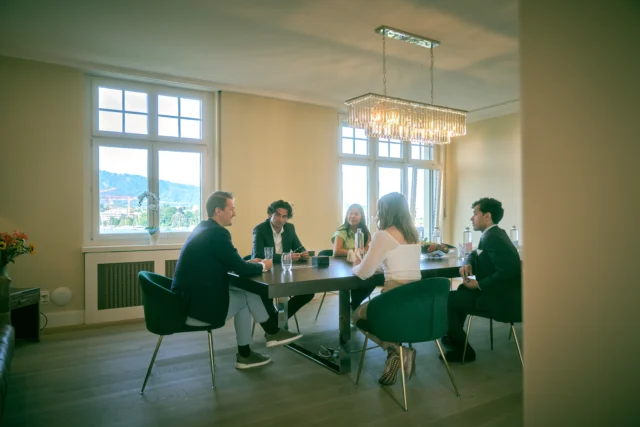
15+ team members, all dedicated to your health and well-being
We are the only residential drug treatment centre in the world to provide a minimum of 15 dedicated professionals to each client.
Our team is made up of world-renowned doctors, therapists, and addiction specialists, including a Nobel Prize-winning board member. With an unparalleled team to client ratio of 15:1, our team provides around-the-clock support to manage your withdrawal and get you on the road to recovery. A live-in therapist will also be available for 24/7 emotional support. No matter the unique blend of treatments you receive, they will be delivered with the Swiss medical excellence we are known for.
Comprehensive programmes as unique as you are
At Paracelsus Recovery, we curate a comprehensive and intensive treatment programme that works for you. Driven by our core principles of pragmatism and empathy, we design a treatment programme based on your unique needs. Those needs may be physical and psychological, e.g. if our team identifies nutritional deficiencies or signs of other addictions during the assessment period, your programme would be shaped with these in mind. However, those needs can be practical too, such as when a client needs to work or travel during their stay with us.
We can provide treatment for Neurontin addiction and any co-occurring dependencies and mental health conditions at our discrete addiction treatment centre in Zurich.

FURTHER READING