WHAT WE TREAT
At Paracelsus Recovery, we can help you get off the unpredictable emotional rollercoaster that defines life with cyclothymia. Our tailored treatment programmes are designed to help you regain control over your emotions and restore the balance in your life.

Cyclothymia, also known as cyclothymic disorder, is considered to be a less intense, severe version of bipolar disorder. Suffering from cyclothymia means experiencing mood changes, swinging from low-level depressive symptoms to periods of hypomania, a mild form of mania. Even though cyclothymia is considered to be a mild mood disorder, it can still lead to significant distress and impact your day-to-day functioning in many ways.
As with all types of bipolar disorder, the overarching symptom of cyclothymia is experiencing a fluctuation from manic (or in this case, hypomanic) episodes to depressive episodes. In comparison to bipolar I and II disorders, the mood swings are considered to be less extreme. The mood fluctuations typically last for at least two years (one year in children and adolescents) and have a significant impact on daily life.
While cyclothymia may be less severe than bipolar disorder, the impact it can have on our relationships, work, and overall quality of life can be profound. For example, mood swings can get in the way of maintaining stable relationships, fluctuating energy levels can make completing tasks feel near impossible, and the unpredictable nature of emotions can be frustrating.
As is the case with bipolar disorder, the exact cause of cyclothymia is not known. However, it is thought to be triggered by a combination of genetic, biological, environmental, and psychological factors. For example, your risk is elevated if a close family member has a mood disorder, especially bipolar disorder. Imbalances in neurotransmitters such as dopamine, serotonin and norepinephrine also play a role in the development of cyclothymia, as do environmental triggers such as stress, trauma, and significant life changes.
The rapid shifting of emotional states that defines cyclothymia can make you more vulnerable to other mental health issues. These include depression, anxiety disorders, personality disorders, attention-deficit-hyperactivity disorder (ADHD), sleep issues and, of course, bipolar I and II disorders. It is also common for people with cyclothymia to find themselves turning to substances as a way to self-medicate their emotional instability or to cope with feelings of hopelessness during depressive episodes.
Through our combination of medical, psychological and personal care, we are proud to be the only cyclothymia treatment facility in the world that addresses co-occurring conditions and every possible root-cause of cyclothymia.
bespoke treatment
How we treat cyclothymia
We can’t tell you exactly what your four-week stay will involve because our patients have no pre-defined treatment path. Everyone who comes to stay at Paracelsus Recovery receives a bespoke treatment plan, with each day thoughtfully structured to include a range of carefully tailored therapeutic elements.
For those with cyclothymia, a highly personalised approach is essential, as treatment needs to address the fluctuating mood states while fostering long-term emotional stability. Our therapies work together to help regulate mood swings, develop coping strategies, and stabilise underlying biological and neurological imbalances. By combining targeted psychotherapy, lifestyle adjustments, and medical support, we create a comprehensive and sustainable path towards lasting well-being. See below for more details.
Our approach considers the whole person: mind, body and soul
At Paracelsus Recovery, our 360-degree treatment approach is centred on intensive psychotherapy, including a live-in therapist and a specialist psychotherapist. Alongside this, we focus on rebalancing your cellular, neurological, and biological health to create a stable foundation for emotional well-being.
Given the cyclical nature of cyclothymia, our approach integrates evidence-based therapies such as Cognitive Behavioural Therapy (CBT) to help identify and manage mood shifts, Dialectical Behaviour Therapy (DBT) to improve emotional regulation, and Psycho-education to enhance self-awareness and coping strategies. We also utilise lifestyle interventions, including personalised nutrition plans, sleep regulation techniques, and mindfulness-based therapies to support long-term mood stability. When necessary, we may prescribe mood stabilisers, antidepressants, or antipsychotic medications to help regulate emotional highs and lows.
When designing your bespoke treatment plan, we take various factors into account, including the severity of your cyclothymia, your unique triggers, and whether any other mental health conditions are present, ensuring a comprehensive and highly personalised recovery journey.


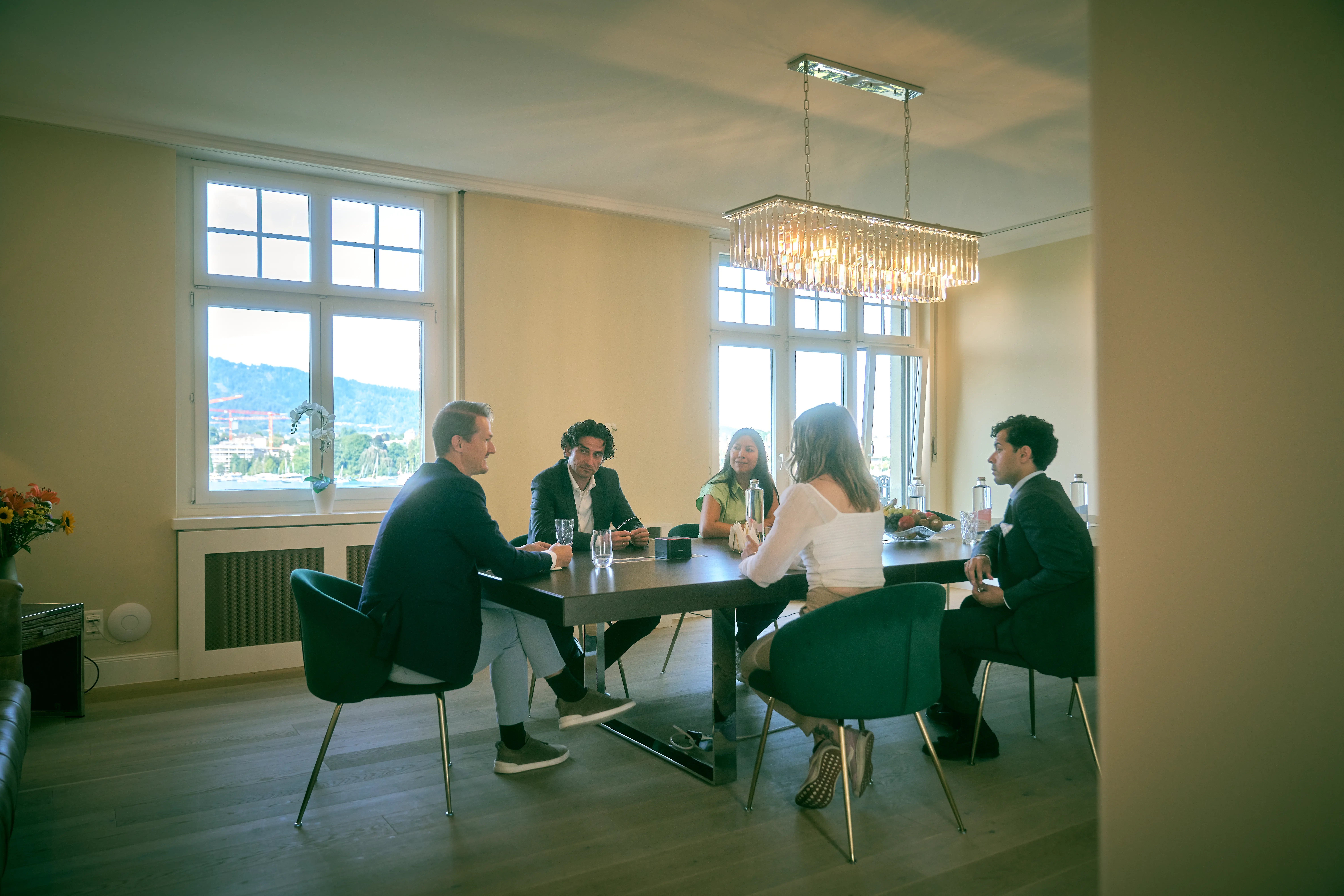
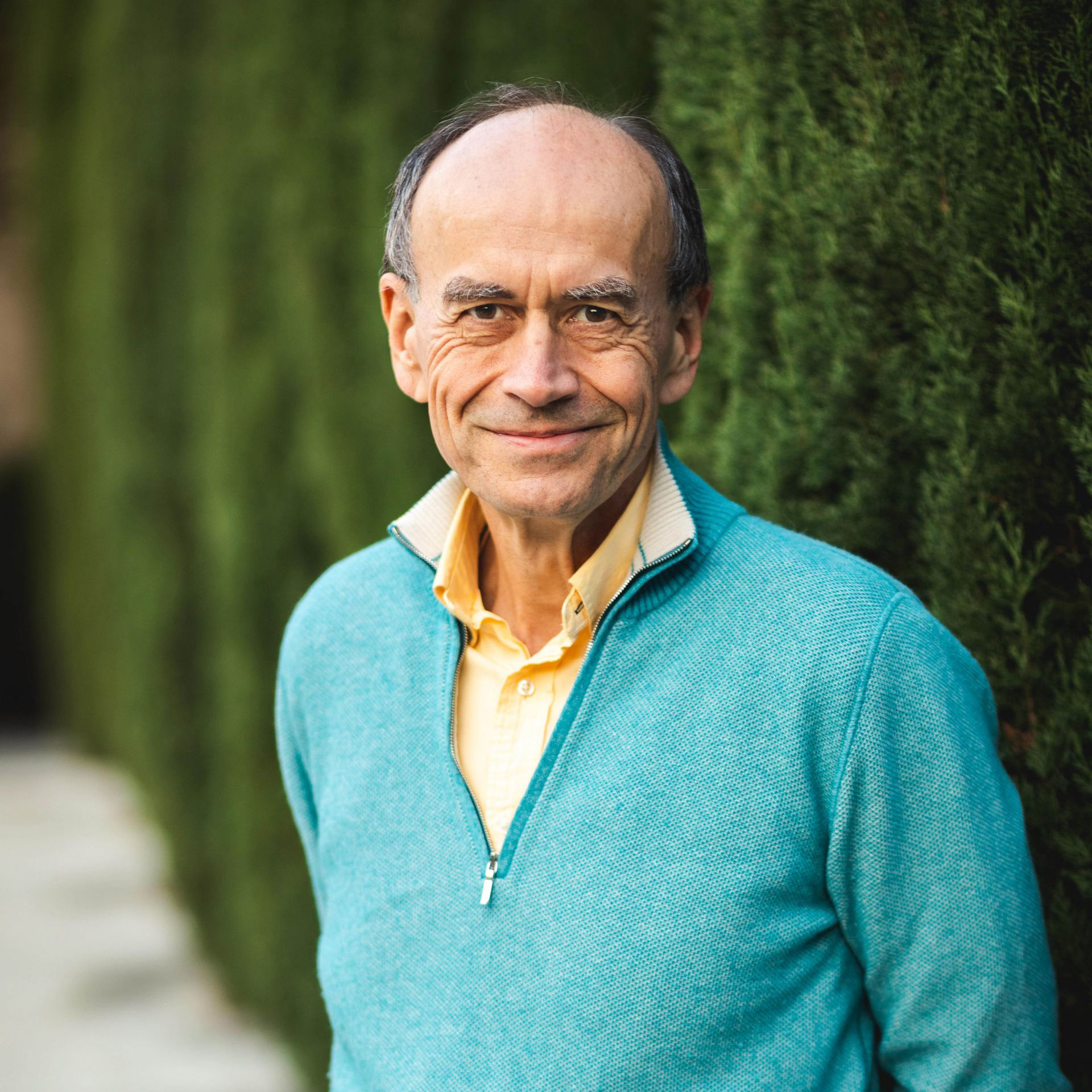
15+ team members, all dedicated to your health and well-being
We are the only cyclothymia treatment centre in the world to provide 15+ dedicated professionals to each client.
Our team is made up of world-renowned doctors, therapists and specialists, including a Nobel Prize-winning board member. During your stay with us, a team of 15+ experts will be dedicated solely to you and your recovery. This includes a personal psychiatrist, medical doctor, client relations team, and a live-in therapist who will be available for emotional support and therapeutic assistance 24/7.
Your highly specialised medical and psychological team will help you stabilise your mood swings, identify patterns, and adjust treatment in real time to ensure long-term emotional balance and well-being.
Comprehensive programmes as unique as you are
At Paracelsus Recovery, we tailor-make our comprehensive and intensive cyclothymia treatment programmes to suit your specific needs. Based on our core principles of empathy and pragmatism, we design the treatment to truly meet you where you are.
We can provide treatment for bipolar disorder and any related conditions at our cyclothymia treatment facility in Zurich.

FURTHER READING