WHAT WE TREAT
While bipolar disorder is an undoubtedly complex condition, you can reduce how maladaptive it is in your life. Our holistic treatment programmes are designed to help you regain control over your emotions and restore the balance in your life.
It’s normal to experience emotional ups and downs in the course of our day-to-day lives. However, for those of us with bipolar disorder, these mood swings are intense, unpredictable, and often frequent. Bipolar disorder, formerly known as manic depression, is a mood disorder characterised by extreme mood changes. This involves fluctuating from episodes of mania or hypomania (high energy, impulsivity) and depression (low energy, hopelessness). These highs and lows can severely impact how you think, feel and act as you navigate daily life.
‘Bipolar’ refers to the two opposing states of mania and depression. During a manic episode, it is possible to feel more energetic, impulsive, aggressive, and irritable than normal. Racing thoughts, a decreased need for sleep, risk-taking, and a sense of being invincible or superior are also features of mania. During a depressive episode, however, we can feel almost the polar opposite: a persistent sadness, hopelessness, or emptiness that’s hard to shift. This, coupled with fatigue and low energy, can result in difficulty concentrating or making even the smallest of decisions. While we usually swing between these two states of mania and depression, some of us experience symptoms of both mania and depression together. In these mixed episodes, we simultaneously feel high energy but extreme sadness.
The extreme highs and lows experienced by those of us with bipolar disorder can have a significant impact on every area of life and your daily functioning: these mood swings affect sleep, energy, activity, judgement, behavior and the ability to think clearly. In severe cases of bipolar, thoughts of suicide and death are common during a depressive episode and some sufferers may attempt to take their own life.
The exact cause of bipolar disorder is not known. What is known is that there is no single cause. Instead, it stems from a combination of genetic, biological, environmental, and psychological triggers. For example, your risk is elevated if a close family member has bipolar disorder. Imbalances in neurotransmitters such as dopamine, serotonin and norepinephrine also play a role in the development of bipolar disorder, as do environmental triggers such as stress, trauma, and substance abuse.
Bipolar Disorder often occurs alongside other mental health conditions such as anxiety disorders, personality disorders, attention-deficit-hyperactivity disorder (ADHD), eating disorders, and substance abuse disorders. While the intense fluctuation between highs and lows, light and dark can feel all-encompassing, healing is possible with the right support. Through our combination of medical, psychological and personal care, we are proud to be the only bipolar disorder treatment facility in the world that addresses co-occurring conditions and every possible root-cause of bipolar disorder.
There are three main types of bipolar disorder: bipolar I disorder, bipolar II disorder and cyclothymia. While there are similarities between these types, the specificities of the symptoms differ in terms of type and duration of the episodes of mania experienced.
1. Bipolar I Disorder
- Defined by at least one full manic episode, which may be followed by depressive episodes.
- Mania can last a week or more and may require hospitalisation.
- Depressive episodes are common but not required for diagnosis.
2. Bipolar II Disorder
- Defined by at least one hypomanic episode (less intense than full mania) and one major depressive episode.
- No full manic episodes occur.
- Often mistaken for depression due to frequent low moods.
3. Cyclothymic Disorder (Cyclothymia)
- Milder, chronic mood swings that last for at least two years.
- Periods of hypomanic and depressive symptoms occur but never reach full manic or major depressive episodes.
If these signs sound familiar, we can help guide you toward recovery.
bespoke treatment
How we treat bipolar disorder
Exactly what your stay at our bipolar disorder treatment facility will involve depends entirely on your specific type of bipolar disorder and your unique needs. Given the complexity of the condition, treatment must be highly personalised to help stabilise mood fluctuations, manage triggers, and support long-term well-being. There is no one predefined treatment path; each client receives a bespoke plan that integrates medical, psychological, and holistic therapies to ensure comprehensive and sustainable recovery.
Our approach considers the whole person: mind, body and soul
At Paracelsus Recovery, our 360-degree treatment approach is designed to provide comprehensive care for individuals with bipolar I and II. Central to our approach is intensive psychotherapy, including a live-in therapist and a specialist psychotherapist, ensuring continuous emotional support and therapeutic intervention.
Given the nature of bipolar disorder, effective treatment requires a careful balance of psychological and medical interventions. We incorporate evidence-based therapies such as Cognitive Behavioural Therapy (CBT) to manage thought patterns, Dialectical Behaviour Therapy (DBT) to enhance emotional regulation, and Psycho-education to help you understand and manage mood cycles. Alongside psychotherapy, we focus on rebalancing your cellular, neurological, and biological health, as research shows that factors such as inflammation, gut health, and sleep patterns can influence mood stability.
Medical excellence is a key component of our treatment, and when necessary, we may prescribe mood stabilisers such as lithium or anticonvulsants, atypical antipsychotics to manage manic or mixed episodes, and antidepressants when appropriate, always with careful monitoring to prevent mood destabilisation. When designing your bespoke treatment plan, we consider various factors, including whether you have bipolar I or II, the severity of your condition, your unique triggers, and any co-occurring mental health conditions. Our goal is to create a tailored, sustainable path to mood stability and long-term well-being.
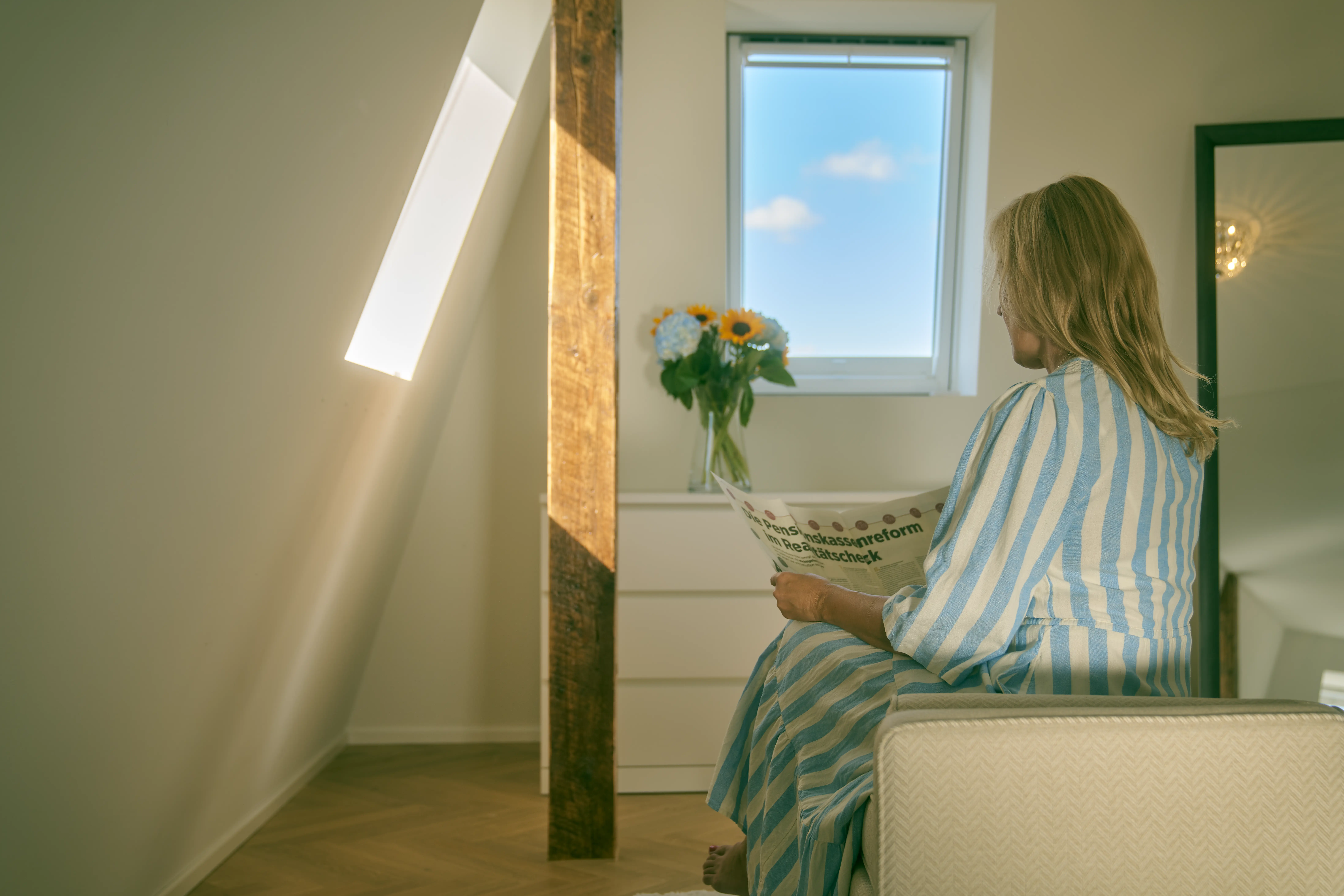

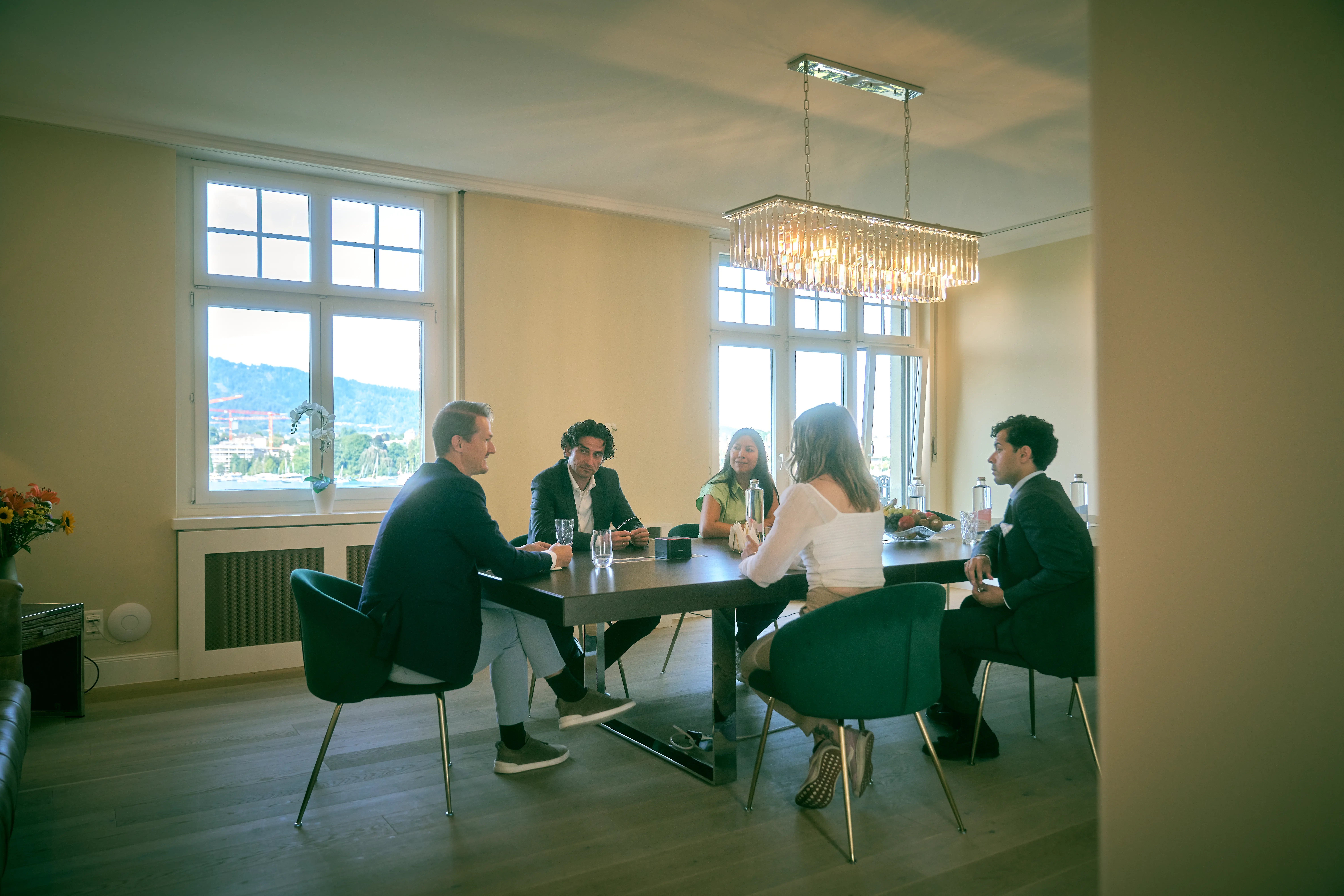
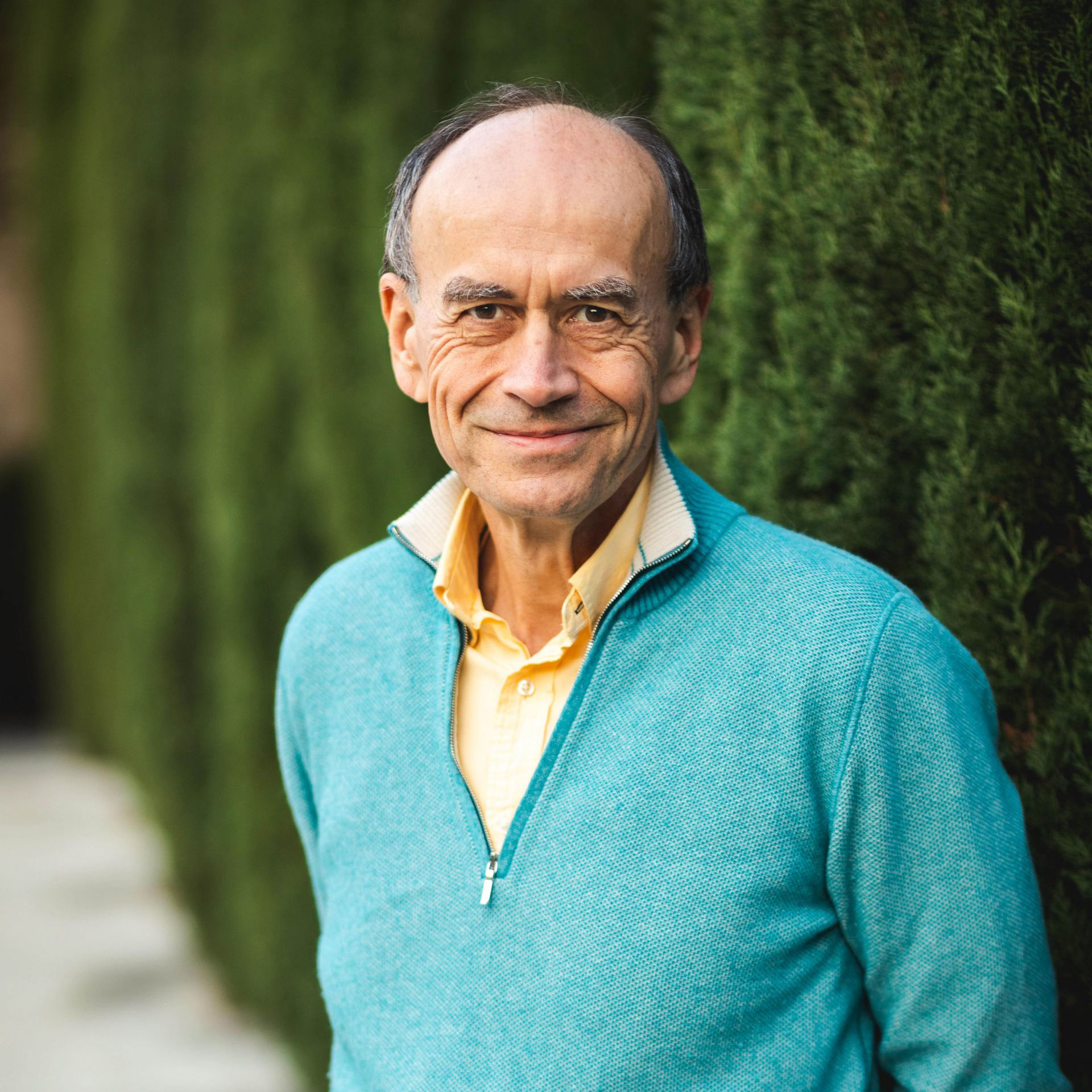
15+ team members, all dedicated to your health and well-being
We are the only bipolar disorder treatment centre in the world to provide a minimum of 15 dedicated professionals to each client.
Our team consists of world-renowned doctors, therapists, and specialists, including a Nobel Prize-winning board member. Given the complexities of bipolar I and II, having a multidisciplinary team is essential to stabilising mood fluctuations and preventing relapse.
During your stay with us, a team of 15+ experts will be dedicated solely to you and your recovery. This includes a personal psychiatrist to oversee medication management and mood stabilisation, a medical doctor to monitor physical health and neurological factors, and highly specialised psychotherapists trained in bipolar-specific treatments. Additionally, a live-in therapist will be available 24/7 to provide continuous emotional support, helping you navigate mood episodes in real time and reinforcing coping strategies for long-term stability.
Comprehensive programmes as unique as you are
At Paracelsus Recovery, we tailor-make our comprehensive and intensive bipolar disorder treatment programmes to suit your specific needs. Based on our core principles of empathy and pragmatism, we design the treatment to truly meet you where you are.
At Paracelsus Recovery, our treatment programmes are guided by our principles of pragmatism, empathy and care. We can provide treatment for bipolar disorder and any related conditions at our bipolar treatment facility in Zurich.
FURTHER READING