WHAT WE TREAT
At Paracelsus Recovery, we recognise how challenging body dysmorphic disorder can be, and we’re here to support you every step of the way. Our comprehensive treatment is designed to help you build a softer and more compassionate relationship with your body. Our team will work closely with you to uncover any underlying issues and provide you with the tools and strategies you need to cope in a way that feels right for you.
You’re not alone in this; we’re here to guide and support you through your journey towards healing and self-acceptance.

Body Dysmorphic Disorder (BDD) is a mental health condition where an individual becomes excessively preoccupied with perceived flaws in their appearance. These flaws are often minor or invisible to others but can cause significant distress, anxiety, and compulsive behaviors in individuals suffering from BDD. This obsession can cause severe emotional distress and interfere with daily life.
The perceived “flaw” or “flaws” vary from person to person and can include any body feature. However, common fixations are:
- Skin imperfections (moles, pores, scars, complexion).
- Face (teeth, lips, eyes, nose, skin, acne, wrinkles, scars, asymmetry).
- Hair (thinning, balding, texture).
- Body shape & weight (muscles, stomach, hips, thighs).
Another way BDD can manifest is as Muscle Dysmorphia, where a person obsesses over not being muscular enough, even if they are very fit. Bigorexia is another variation of BDD, where a person views themselves as weak and skinny, no matter how “buff” and muscular they become. These variations of BDD are more common among men than women.
What all forms of BDD have in common is an intense focus on your appearance and body image, constantly worrying about perceived imperfections and repeatedly checking yourself in the mirror, picking your skin or grooming excessively. For many people with BDD, the shame, embarrassment and self-consciousness they feel leads to avoiding social situations. Emotional distress in the form of anxiety, depression, and sometimes suicidal thoughts is also common. It can take over your life and impact your day-to-day functioning.
It’s also common for individuals suffering from BDD to get cosmetic procedures in an attempt to “fix” the flaw. Despite their belief that this will finally solve their problems, cosmetic procedures are not a magic pill for BDD and any relief will be short-lived. Unfortunately, symptoms will usually return, and the person’s fixation will shift to another part of their appearance. This can trigger an endless cycle of finding flaws and seeking out the next surgery or procedure to fix this “flaw”. Before long, getting cosmetic procedures has become an addiction that will hinder recovery from BDD.
There is no one root cause of BDD. Instead, it is the result of a complex interplay of genetic, neurobiological, psychological and social factors. For example, a family history of OCD or anxiety, low self-esteem, trauma, perfectionism, beauty standards, bullying and social media filters are all considered to play a part in the development of BDD.
Not only can BDD take over your life and cause distress, but it can also lead to other harmful behaviors and mental health conditions. These include obsessive-compulsive disorder (OCD), anxiety disorders, depression, anorexia nervosa, orthorexia and bulimia. In addition, in an attempt to cope with the stress of having BDD, many self-medicate with substances like drugs and alcohol, increasing the likelihood of developing an addiction.
Through our combination of medical, psychological and personal care, we are proud to be the only clinic in the world that addresses co-occurring conditions and every possible root-cause of body dysmorphic disorder.
The symptoms of body dysmorphic disorder include:
- Feeling physical discomfort and mental distress when you feel “ugly” or “unattractive”.
- Fluctuating perception about your appearance throughout the day.
- Worrying excessively about specific parts of your body, particularly your face.
- Compulsive mirror-checking or complete avoidance of mirrors.
- Spending a lot of time comparing how you look to others.
- Spending a lot of time and effort “fixing” our appearance through grooming, applying make-up or choosing clothes.
- Going to great lengths to attempt to change your perceived flaws, for example, getting cosmetic procedures.
- Spending excessive time/money on beauty products, dermatology treatments, or plastic surgery.
- Believing that everything will be better once you fix that one flaw.
Additional symptoms include:
What are the physical symptoms of BDD?
- Extreme preoccupation with a specific body part (e.g., nose, skin, hair, weight, muscles).
- Persistent negative thoughts about appearance (e.g., “I’m ugly” or “I look deformed”).
- Fear of judgement or humiliation over perceived flaws.
- Emotional distress, including anxiety, depression, or suicidal thoughts.
- Feeling “unreal” or disconnected from yourself (depersonalisation) due to excessive focus on appearance.
What are the behavioural symptoms of BDD?
- Constantly checking mirrors or avoiding them altogether.
- Excessive grooming, skin-picking, or makeup use to “fix” perceived flaws.
- Seeking cosmetic procedures or surgeries but feeling dissatisfied afterward.
- Experiencing muscle dysmorphia, an obsession with body size/muscle mass.
- Frequent comparison of one’s appearance to others.
Behavioural symptoms:
- Constant reassurance-seeking from others about looks.
- Excessive exercise, dieting, or use of supplements (especially in muscle dysmorphia)
- Social withdrawal (avoiding events, work, or school due to appearance concerns).
- Changing clothes multiple times to cover up perceived flaws.
- Avoiding photos or filtering/editing images excessively.
- Picking at your skin to make it “smooth”.
If these signs sound familiar, we can help guide you toward recovery.
bespoke treatment
How we treat body dysmorphic disorder
At Paracelsus Recovery, we understand that body dysmorphic disorder is deeply personal and unique to each individual. That’s why we don’t follow a pre-defined treatment path. Instead, every person who comes to us receives a bespoke treatment plan, designed specifically to address your unique challenges. Each day is thoughtfully structured, incorporating a range of therapeutic elements that are carefully selected to support your healing process.
Our therapies work together to ensure that all aspects of your physical, emotional, and psychological well-being are addressed, helping you build a healthier relationship with your body and mind. See below for more details.
Our approach considers the whole person: mind, body and soul
At Paracelsus Recovery, we take a multidisciplinary, 360-degree approach to treating body dysmorphic disorder, combining specialised psychotherapy, cutting-edge medical treatments, and complementary therapies to support your journey towards healing. Our approach begins with an in-depth assessment procedure to uncover the underlying physical, emotional, and psychological factors contributing to your condition.
Based on these findings, we develop a highly personalised treatment plan, which may include therapies such as Cognitive Behavioural Therapy (CBT), trauma-focused care, and mindfulness techniques, alongside biochemical restoration and medical interventions designed to restore balance to your body and mind.



15+ team members, all dedicated to your health and well-being
We are the only eating disorder treatment centre in the world to provide 15+ dedicated professionals to each client.
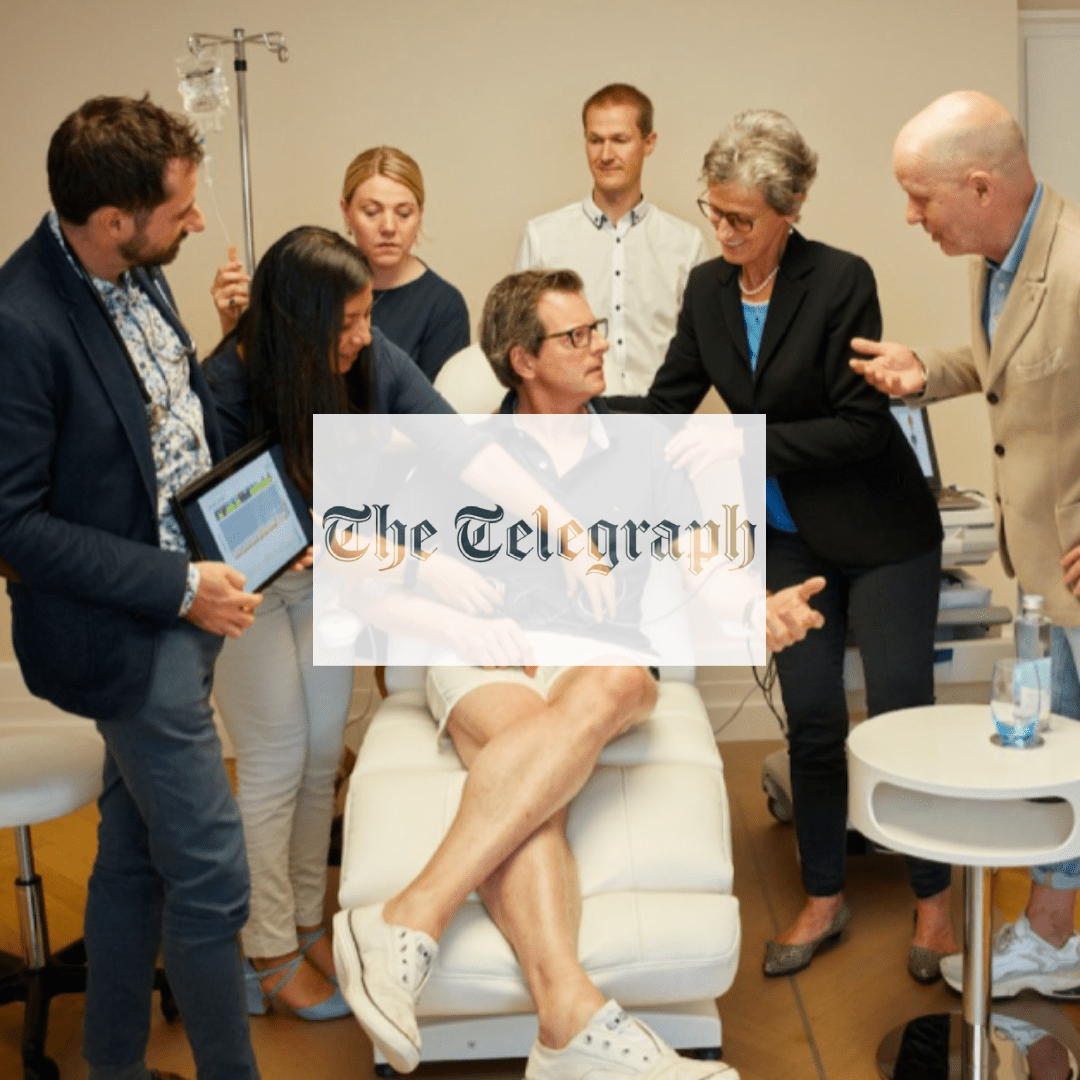
By your side throughout your treatment programme is a 15+ strong team of world-renowned doctors, therapists and eating disorder specialists, including a Nobel Prize-winning board member. Your team will provide around-the-clock, unparalleled support to get you on the road to recovery. A live-in therapist will also be available for 24/7 emotional support.
Comprehensive programmes as unique as you are
At Paracelsus Recovery, we tailor-make our comprehensive and intensive body dysmorphic disorder treatment programmes to suit your specific needs. Based on our core principles of empathy and pragmatism, we design the treatment to truly meet you where you are.
We can provide treatment for body dysmorphic disorder and any co-occurring mental health conditions at our private eating disorder treatment clinic in Zurich.


FURTHER READING